🔬 Key Takeaways
- Exosomes are nanoscale vesicles cells use to communicate — they carry proteins, lipids, and genetic signals between cells
- The strongest evidence for exosomes comes from clinical, in-office use after procedures like microneedling or laser treatment, not standalone at-home serums
- Exosomes used in skincare are typically plant-derived or biosynthetic — not the same as the human stem cell exosomes used in medical research
- Dermatologists are clear: exosomes have not been shown to outperform proven actives like retinol, peptides, or ceramides
- Many mass-market products use the word "exosome" without disclosing concentration or verified sourcing — this is where marketing outpaces science
- Regulation of exosome cosmetics is still developing, which means product quality varies significantly between brands
If you have spent any time in skincare spaces over the past two years, you have seen the word. Exosome serums, exosome facials, exosomes after microneedling — it has gone from a term confined to medical journals to a fixture of luxury skincare marketing in a remarkably short window. The claims are bold: cellular repair, collagen signaling, regeneration at the source. The question worth asking, calmly and without hype, is whether the science underneath those claims actually supports them — and where, specifically, it does not.
The honest answer sits in the middle, and the middle is more interesting than either extreme. Exosomes are real, their biological function is well understood, and there is genuine clinical evidence behind certain uses. But the gap between what has been proven in a clinical setting and what is being sold in a bottle on a shelf is significant — and understanding that gap is the difference between an informed purchase and an expensive bet on a trend.
What Exosomes Actually Are
Exosomes are tiny, naturally occurring vesicles — think of them as microscopic delivery packets — that nearly every cell in the body releases as part of normal cellular communication. Inside each exosome is a payload: proteins, lipids, and fragments of genetic material such as microRNA. When a cell releases exosomes, nearby cells absorb them and respond to the instructions they carry, whether that is a signal to regenerate, to reduce inflammation, or to begin a repair process.
This is not a manufactured concept. Exosomes are a well-established area of cell biology, studied for decades in contexts ranging from cancer research to regenerative medicine, long before they appeared in a skincare aisle. What changed recently is the ability to isolate exosomes at scale, from sources ranging from human stem cells to plant tissue, and incorporate them into topical formulations intended to deliver some version of that same cellular messaging to skin.
How Exosomes Are Meant to Work on Skin
The theory behind topical exosome use is straightforward in concept: apply vesicles carrying regenerative signals to the skin's surface, and those signals prompt skin cells to behave as though repair is underway — increasing collagen production, calming inflammation, and accelerating the skin's own healing processes. In a laboratory setting, this mechanism has measurable support. Exosomes have been shown to influence collagen synthesis and modulate inflammatory pathways in cell culture and in some clinical studies.
Where this gets more complicated is delivery. Skin is, by design, an extremely effective barrier against exactly the kind of large biological particles that exosomes are. Getting an intact, functional exosome through the stratum corneum and into living tissue where it can actually do something is a substantially harder problem than formulating a small-molecule active like niacinamide or vitamin C, which are chemically far simpler and smaller. This is precisely why the most compelling results to date come from settings where the skin barrier has already been temporarily compromised — after microneedling or laser resurfacing — rather than from intact, undisturbed skin in a daily routine.
The Clinical Evidence vs. the At-Home Reality
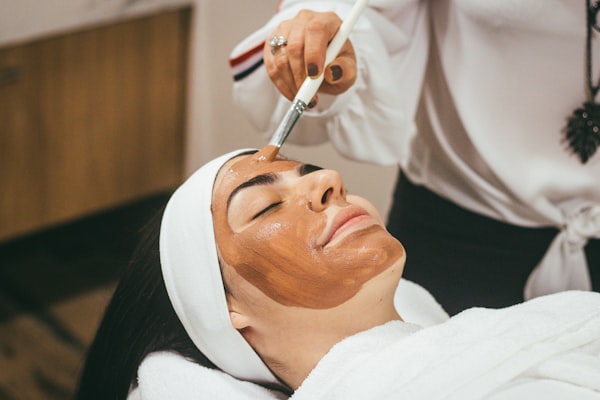
This is the central distinction that most marketing glosses over, and it deserves to be stated plainly. The strongest, most reproducible evidence for topical exosomes exists in a clinical context: applied immediately after a procedure that has already created micro-channels in the skin, where exosomes can plausibly reach living tissue. Plastic surgeons and dermatologists using exosome serums post-microneedling or post-laser have reported genuinely faster healing, reduced redness, and improved outcomes compared to standard aftercare.
The evidence for a standalone exosome serum applied to intact skin as part of a normal morning or evening routine is considerably thinner. It is not that this use case has been proven not to work — it is that the rigorous, independent research supporting it simply has not caught up to the volume of products now claiming the benefit. Several dermatologists interviewed across major outlets have made the same point in different words: exosomes are promising, but they have not yet been shown to perform at the level of ingredients with decades of clinical backing.
"Unless the exosomes are biologically active and clinically sourced, they're unlikely to deliver true regenerative results. Many mass-market products just borrow the word."
Plant-Derived, Biosynthetic, or Stem Cell — The Sourcing Distinction That Matters
Not all exosomes in skincare are the same, and the sourcing difference has real implications for both efficacy and ethics. Three categories dominate the current market:
Human stem cell-derived exosomes are used primarily in clinical and medical-aesthetic settings — the kind a dermatologist or plastic surgeon might use post-procedure. These typically carry the most direct biological relevance to human skin repair, but they are also the most tightly regulated and rarely available in standard over-the-counter products.
Plant-derived exosomes — sourced from sources like rice, ginseng, or other botanicals — are the most common in consumer skincare. They are ethically straightforward, widely available, and avoid the regulatory complexity of human-derived material. However, plant exosomes carry plant-relevant signaling molecules, not human-specific ones, which raises a legitimate scientific question about how directly their signals translate to human skin cell behavior. Some research supports cross-species signaling effects; the evidence is still developing.
Biosynthetic or lab-engineered exosomes are produced through controlled bioengineering processes, designed to mimic natural exosome structure and function without requiring biological extraction from any living source. This is a newer and rapidly evolving category, with quality varying significantly by manufacturer.
None of these sourcing types is inherently fraudulent or inherently superior — but a brand that does not disclose which type it uses, or how the exosomes were isolated and verified, is asking you to trust a claim with no way to evaluate it.
What Dermatologists Actually Say
Across multiple independent interviews with board-certified dermatologists, a consistent picture emerges. Exosomes are acknowledged as scientifically interesting and genuinely promising, particularly in post-procedure healing contexts. At the same time, dermatologists are notably cautious about over-the-counter exosome serums marketed for general anti-aging use, citing both the unresolved delivery problem and the lack of standardized, independently verified concentration claims across the category.
The comparison dermatologists most frequently draw is to retinol, peptides, ceramides, and niacinamide — ingredients with extensive, replicated clinical research spanning decades. Exosomes, by contrast, are a newer technology where the research is real but considerably thinner, and where consumer marketing has, in the assessment of several specialists, outpaced what the current evidence base can support.
How to Evaluate an Exosome Product Without Falling for Hype
If you are considering an exosome serum, a few practical filters separate a genuinely considered purchase from an impulse buy driven by marketing language alone.
Check sourcing transparency. A credible brand will tell you specifically whether their exosomes are plant-derived, biosynthetic, or otherwise — and ideally will reference some form of testing or quality verification. Vague references to "exosome technology" without specifics are a signal to dig deeper, not a reason to trust the product more.
Be realistic about timeline and context. If you are using a standalone exosome serum on otherwise undisturbed skin, expect gradual, modest changes rather than the dramatic results associated with clinical post-procedure use — those results come from a fundamentally different application context, not from the product alone.
Treat it as a complement, not a replacement. The current evidence supports exosomes as a potentially useful addition to a routine already built around proven actives, not as a substitute for retinoids, peptides, or barrier-supporting ingredients like ceramides with a much deeper evidence base.
Watch for compatibility. Exosomes are generally considered compatible with most other actives, including retinol and exfoliating acids, but introducing any new active gradually and monitoring your skin's response remains sound practice regardless of how a product is marketed.
Science or Marketing? The Honest Verdict
Both, depending on where you look. The underlying biology of exosomes is legitimate, well-studied cell science, not an invented concept. The clinical application in post-procedure dermatology and plastic surgery settings has real, measurable support. Where the picture becomes murkier is the rapid expansion of that legitimate science into a sprawling consumer category, where the word "exosome" alone has become a marketing asset, often without the sourcing transparency, concentration disclosure, or independent verification that would let a consumer genuinely assess what they are buying.
This does not mean exosome skincare is worthless. It means the category is in an early, fast-moving stage where genuine innovation and inflated claims are occupying the same shelf space, and the burden of distinguishing between them currently falls on the consumer rather than on standardized regulation. Approached with that awareness — sourcing checked, expectations calibrated, used alongside rather than instead of proven actives — exosomes are a reasonable ingredient to be curious about. Approached as a miracle replacement for established skincare science, they are not yet supported by the evidence to justify that role.
Frequently Asked Questions
What are exosomes in skincare?
Exosomes are nanoscale vesicles that cells naturally release to communicate with one another, carrying proteins, lipids, and genetic material that signal nearby cells to repair, regenerate, or reduce inflammation. In skincare, exosomes are sourced from plants, stem cells, or other biological origins and applied topically with the goal of triggering similar regenerative signals in skin cells.
Do exosomes actually work in skincare?
The evidence is genuinely mixed and depends heavily on context. In clinical settings, medical-grade exosomes applied after procedures like microneedling or laser treatments have shown real benefit in accelerating healing. At-home, over-the-counter exosome serums have far less robust evidence, and dermatologists note that many products contain unverified or minimal concentrations.
Are exosomes better than retinol or peptides?
No. Ingredients like retinol, peptides, ceramides, and niacinamide have decades of robust clinical research behind them, while exosomes are a newer technology with comparatively limited independent research. Exosomes show promise but have not been shown to outperform well-established actives for general anti-aging or barrier repair.
Are exosome skincare products safe?
Plant-derived and biosynthetic exosomes used in over-the-counter cosmetics are generally considered safe for topical use, as they do not involve live cells or genetic material capable of altering human DNA. However, regulatory oversight of exosome cosmetics is still developing, and product quality varies significantly between brands.
How do I know if an exosome serum is legitimate?
Look for brands that disclose the exact source of their exosomes, reference third-party testing, and avoid vague claims that simply list "exosomes" without specifying concentration or origin. Be skeptical of dramatic before-and-after claims for an at-home product, since the most compelling clinical results have come from in-office treatments, not standalone serums.